
Theory on the Migration of Bigfoot
Potential Migration Routes
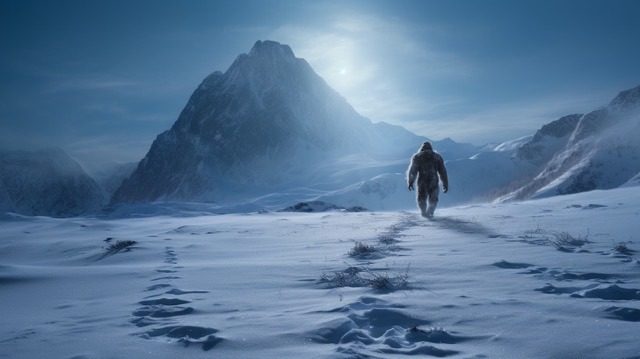
Lets explore the theory surrounding Bigfoot's potential migration routes. Owing to Bigfoot's elusive nature and the vast geographic variety of sightings documented, various scientists and enthusiasts have speculated on the creature's potential travel routes and dwelling places.
Widespread Distribution
Bigfoot sightings and encounters have been reported in various parts of the world, including North America, Asia, and other regions. This widespread distribution has sparked curiosity about how these creatures might travel and adapt to diverse environments.
Seasonal Migration
According to one notion, Bigfoot might migrate seasonally, just like a lot of other animal species. Certain scientists surmise that these animals might migrate to other regions based on seasonal variations in weather or food availability.
Following Food Sources
Another hypothesis is that Bigfoot might migrate in search of food. Being omnivores, they could follow the movement of prey animals or seasonal food availability, much like other large predators.
Avoiding Human Activity
The reclusive nature of Bigfoot may lead them to move away from areas with high human activity. As urbanization and development encroach upon natural habitats, Bigfoot might be forced to migrate to more remote and less populated regions.
Adapting to Environment
Some researchers suggest that Bigfoot's ability to adapt to different environments could allow them to thrive in various regions, enabling them to move between different types of landscapes and habitats.
Corridors and Migration Routes
Just like many other animal species, Bigfoot might use natural corridors and migration routes to move between different areas. These corridors could include river valleys, mountain ranges, and other geographic features.
Dispersal of Populations
The theory of population dispersal proposes that Bigfoot populations might be spread out, and individual creatures could move to establish territories or find mates.
Avoiding Interactions with Humans
Because of their supposed intellect and survival instinct, bigfoots may migrate away from densely populated areas and avoid places where people are often present.


© 2010–2026 Ontario Bigfoot | All Rights Reserved.
All original content, photographs, research and reports are the property of Ontario Bigfoot unless otherwise credited. Unauthorized reproduction or distribution is prohibited. ontariobigfoot.com


